Fresh Filter Coffee Powder Traditions Still Loved Across South India

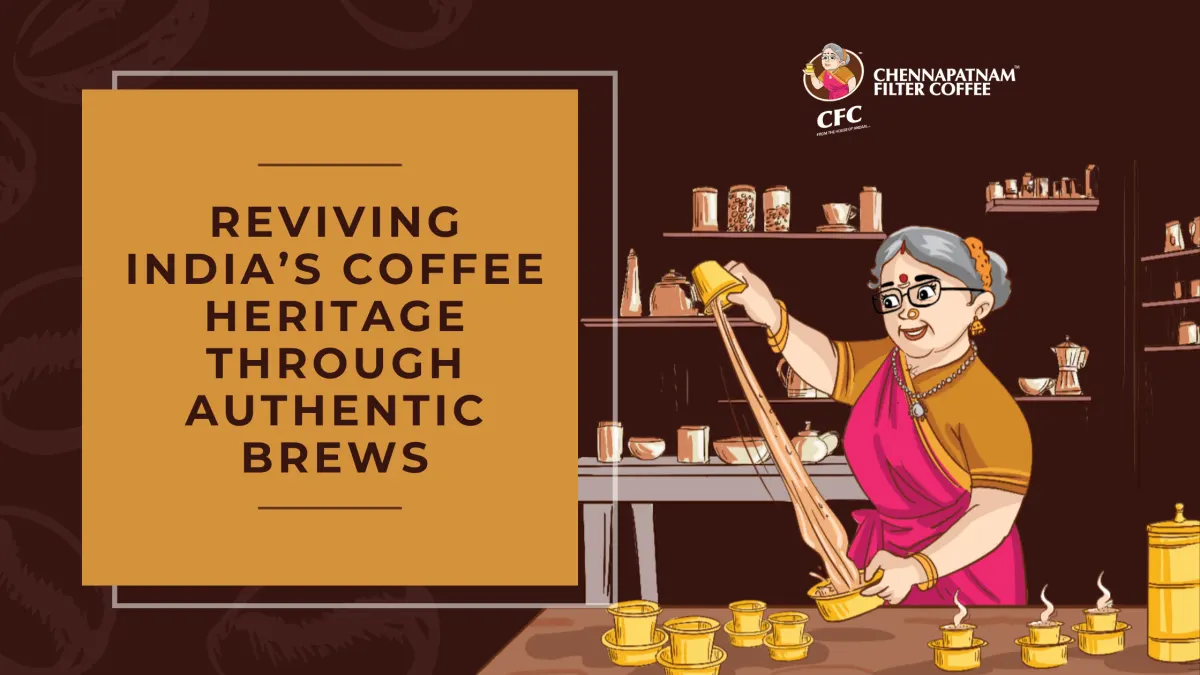
South India’s relationship with coffee goes far beyond a daily beverage. For generations, filter coffee has been part of morning conversations, family gatherings, and everyday routines. Even today, traditional brewing methods continue to hold a special place in homes and cafes across the region. One of the biggest reasons behind this lasting popularity is the quality and freshness of authentic filter coffee powder. While modern cafe culture continues evolving, many coffee lovers still prefer the rich flavour and aroma that comes from freshly prepared decoction coffee. This growing appreciation for traditional brewing styles has helped regional coffee experiences remain relevant among both older and younger generations. Coffee enthusiasts searching for authentic South Indian brewing experiences often explore heritage-inspired coffee experiences that celebrate traditional preparation methods and regional flavours. The Tradition Behind Fresh Filter Coffee Powder For decades, South Indian households have carefully selected coffee blends based on aroma, roasting quality, and freshness. Authentic filter coffee powder is not treated as an ordinary product. It represents consistency, craftsmanship, and familiarity. The preparation process itself plays a major role in the experience. Freshly roasted coffee beans, balanced blending techniques, and proper grinding methods all contribute to the strong taste associated with traditional South Indian coffee. Unlike instant coffee products, fresh filter coffee powder creates a slower and more enjoyable brewing ritual. The decoction process allows the coffee to develop deeper flavour notes and a fuller aroma. This appreciation for handcrafted coffee experiences has also influenced modern coffee outlets in India, where traditional beverages are becoming increasingly popular alongside contemporary cafe menus. South Indian Brewing Traditions Continue to Influence Modern Coffee Culture Many younger consumers today are rediscovering the appeal of regional coffee traditions. Steel tumblers, frothy decoction coffee, and authentic filter cup serving styles are no longer viewed as old-fashioned. Instead, they are becoming symbols of premium coffee experiences. The growing interest in authentic brewing methods has also strengthened the reputation of several filter coffee brands that focus on heritage-inspired products and cafe concepts. Coffee communities exploring handcrafted brewing techniques through platforms like Roasty Coffee continue to celebrate traditional preparation methods and rich flavour-focused coffee experiences. At the same time, customers searching for “best filter coffee near me” or “south indian filter coffee near me” are helping traditional coffee businesses attract wider audiences across urban and emerging markets. Freshness Plays a Major Role in Coffee Quality One of the reasons fresh filter coffee powder remains highly valued is its direct impact on flavour and aroma. Freshly ground coffee retains oils and natural compounds that contribute to a stronger and smoother cup of coffee. In South India, many households still prefer purchasing coffee powder from trusted regional brands or local roasting stores rather than mass-produced alternatives. This focus on freshness creates a richer coffee experience that instant products often fail to deliver. Consumers today are also becoming more selective about ingredient quality and brewing authenticity. This shift has encouraged several coffee chains in India to introduce traditional brewing methods into their cafe menus. A well-crafted filter coffee company understands that consistency in roasting and blending is essential for maintaining customer trust and loyalty. Traditional Coffee Experiences Are Inspiring New Businesses The continued popularity of traditional coffee preparation is also creating opportunities for entrepreneurs. Many investors are now exploring the growing filter coffee franchise market because customers increasingly prefer authentic cafe experiences over generic coffee chains. Compared to large cafe businesses with complex menus, regional coffee concepts often operate with focused offerings and stronger cultural identity. This makes the filter coffee franchise model attractive for entrepreneurs looking to build sustainable businesses rooted in tradition. Interest in coffee franchise India opportunities has grown steadily as customers actively seek premium beverages with regional authenticity. Entrepreneurs interested in authentic South Indian cafe concepts often explore the filter coffee franchise opportunity inspired by traditional brewing culture and modern customer experiences. Regional Coffee Identity Creates Emotional Connection One of the biggest strengths of traditional coffee culture is emotional familiarity. The smell of fresh decoction, the warmth of a steel tumbler, and the taste of authentic filter coffee powder often remind people of home and family traditions. This emotional connection gives South Indian coffee businesses a strong advantage in today’s competitive cafe market. Customers increasingly value experiences that feel genuine rather than heavily commercialized. Several regional cafe brands are now combining traditional brewing methods with modern interiors and customer experiences. This balance between heritage and contemporary presentation is helping South India coffee company concepts expand into newer markets. The growing popularity of handcrafted beverages and premium coffee experiences has also been widely explored through cafe lifestyle platforms like Barista Magazine, where traditional brewing styles continue gaining international appreciation. Consumers looking for authentic regional flavours continue discovering traditional South Indian coffee experiences that preserve the comfort and richness of heritage brewing methods. Conclusion The love for fresh filter coffee powder continues to remain deeply connected to South Indian culture and everyday life. From traditional family routines to modern cafe experiences, authentic brewing methods still hold strong emotional and culinary value. As customers increasingly seek handcrafted beverages and meaningful coffee experiences, traditional filter coffee culture is finding renewed popularity across India. The focus on freshness, authenticity, and regional identity is helping South Indian coffee traditions stay timeless even in a rapidly evolving cafe landscape.
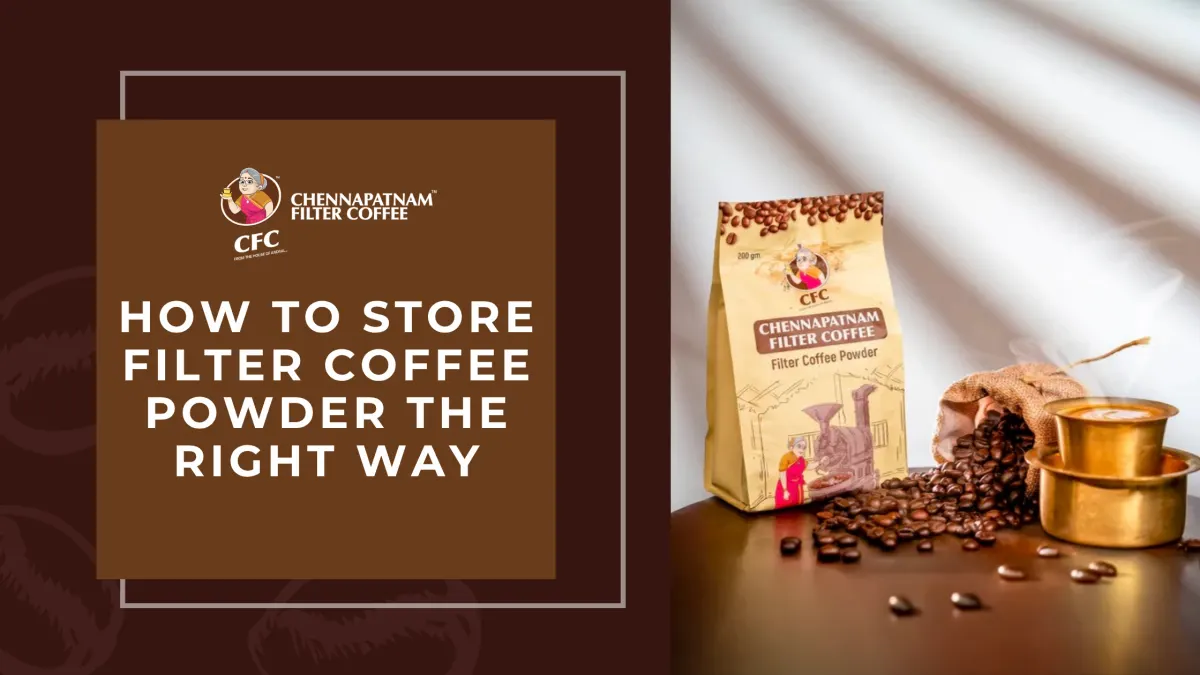
How to Store Filter Coffee Powder the Right Way

You invested in a good packet of filter coffee powder. You brewed carefully. And still, the second or third week in, the decoction starts tasting flat. Not bad exactly, just less. The aroma has faded. The depth is gone. That is not a brewing problem. That is a storage problem. And it is one of the most overlooked variables in home filter coffee quality. Why Filter Coffee Powder Goes Stale So Fast Ground coffee has an enormous surface area compared to whole beans, which means it is exposed to far more air, heat, and light per gram of product. The compounds responsible for coffee’s aroma, primarily a group of molecules called volatile organic compounds, begin escaping into the surrounding atmosphere from the moment the packet is opened. The International Coffee Organization, which monitors global standards for coffee quality from farm to cup, identifies improper post-opening storage as one of the primary reasons consumers experience lower-quality coffee at home despite purchasing good powder. South Indian filter coffee powder faces an additional challenge: the chicory component, being a root-derived ingredient, absorbs moisture from the environment more readily than roasted coffee grounds. In humid climates, specifically in coastal regions across Andhra Pradesh, Tamil Nadu, and Karnataka, this means the powder can start clumping and lose flavour faster than it would in a dry environment. The Right Container Makes the Biggest Difference The most impactful single change you can make to filter coffee storage is moving it out of its original packet and into a proper airtight container after opening. An airtight container with a silicone seal or rubber gasket is the minimum. Coffee-specific storage canisters with one-way degassing valves are better, since they allow carbon dioxide released by the grounds to escape without letting oxygen in. Both are available at kitchen supply stores in most cities and online. Avoid glass jars without proper seals, loosely closed packets folded over at the top, and plastic bags without zip locks. All of these allow slow but constant air exposure. Where to Store It Keep it away from heat A spot near the stove, on top of the refrigerator, or in direct sunlight is the worst possible location for coffee powder storage. Heat accelerates oxidation and volatile compound loss. A cool kitchen shelf away from the cooking zone is better. Do not refrigerate, and do not freeze unless necessary Refrigerating filter coffee powder introduces moisture through condensation every time the container is opened and closed. Over time this damages both the flavour and the texture of the powder. Freezing is only appropriate for large bulk quantities that will not be opened for weeks. For daily-use powder, room temperature storage in an airtight container is correct. Keep it in the dark Light degrades coffee compounds over time. Clear glass containers look attractive but expose the powder to light constantly. An opaque container, or a glass jar stored inside a cupboard, is a better choice. How Long Does Filter Coffee Powder Actually Stay Fresh In a sealed, unopened packet from the roast date, quality filter coffee powder stays fresh for 2 to 3 months. After opening, even with perfect storage, you will notice flavour degradation within 3 to 4 weeks. The practical implication: buy smaller quantities more frequently rather than buying a large packet and using it over two or three months. A 100 to 200g packet used within three weeks will consistently outperform a 500g packet used over two months, even if the latter was better quality at the time of purchase. Signs Your Powder Has Gone Stale Little or no smell when you open the container Decoction looks paler than usual despite correct quantity and tamp The aroma disappears within a minute of brewing rather than filling the room Flat, one-dimensional taste with no depth after mixing with milk Powder has a dull, grey tone rather than a rich dark brown One More Variable: Buy Fresh to Begin With Even perfect storage cannot rescue powder that was already stale when you bought it. Checking the roast date on the packet before purchase is the most important step. Our best filter coffee powder is roasted and blended in batches calibrated for freshness, with clearly marked dates. Pair that with proper home storage and you will notice the difference in every cup. I have all the homepage details from earlier in our conversation. Let me build a clean, focused homepage-only audit. Chennapatnam Filter Coffee is an authentic South Indian filter coffee brand with 50+ outlets across India.
Best Filter Coffee Powder in India: What to Look for Before You Buy

Most people choose their filter coffee powder by brand recognition or price. Both are reasonable starting points, but neither tells you much about what is actually inside the packet or how it will behave in your home filter. If you have ever bought a new powder and been disappointed by the result, the problem is almost always one of three things: the blend ratio, the grind size, or how long it has been sitting on a shelf. This guide explains what to actually look at when buying the best filter coffee powder in India, so you can make a confident choice regardless of brand. The Chicory Ratio: Your Starting Point South Indian filter coffee powder is not just ground coffee. It is almost always a blend of ground coffee beans and chicory, and the proportion of each has a direct effect on how your cup tastes. Chicory comes from a plant root and adds body, a mild bitterness, and a thick mouthfeel that pure coffee alone does not produce. The traditional South Indian ratio sits between 70:30 and 80:20 coffee to chicory. Below 70% coffee, the blend starts tasting primarily of chicory. Above 90% coffee, the decoction lacks body and the characteristic South Indian flavour profile disappears. Most quality brands print the ratio on the packaging. If a brand does not disclose its chicory ratio, that is worth noting before you buy. Grind Size Matters More Than Most People Think Filter coffee powder for a traditional South Indian metal filter needs a specific grind, finer than coarsely ground beans but not as fine as espresso. This is sometimes described as a medium-fine grind. If the grind is too coarse, water flows through too quickly and the decoction is weak. If it is too fine, the water cannot drip through the perforations in the filter and you are left with a blocked, bitter mess. The safest approach is to buy powder that is pre-ground specifically for South Indian decoction brewing. Specialty powders, such as those produced by Chennapatnam Filter Coffee, are calibrated for the home metal filter rather than commercial espresso machines, which is a meaningful difference in grind profile. Freshness Is the Variable Nobody Talks About Coffee begins losing its volatile aromatic compounds within weeks of roasting. The National Coffee Association points out that ground coffee is particularly vulnerable to freshness loss because the increased surface area exposes more of the product to air, moisture, and light with every passing day after roasting. By the time most mass-market coffee powder reaches a retail shelf, weeks or months may have passed since the roast date. Practical signs of stale powder: no strong smell when you open the packet, a flat decoction that smells faint even when properly brewed, and a greyish or dull colour to the grounds rather than a dark, oily brown. Buying from a brand that roasts and packages closer to the point of sale is almost always better than buying from a national brand that has been on a retail shelf for an indeterminate period. Arabica vs Robusta: Which Bean Base to Choose Most South Indian filter coffee powder uses Robusta beans rather than Arabica. This surprises people who associate Robusta with lower quality, but in the South Indian decoction context, Robusta performs better. It has a higher caffeine content, a stronger flavour that holds up when mixed with milk, and it produces a thicker decoction that carries chicory well. Pure Arabica filter coffee powder tends to produce a lighter, more acidic cup that can taste thin once milk is added. If you prefer a bold, rich cup of coffee with your morning, a Robusta-based blend with 20 to 25 percent chicory is the standard recommendation. Packaging and Storage Indicators Quality powder comes in airtight packaging with a one-way degassing valve, which allows carbon dioxide from freshly roasted beans to escape without letting oxygen in. Zipper-seal pouches and tin-tie bags are both acceptable. Avoid powders in loosely sealed paper bags or those without any airtight mechanism. Check whether the packet lists a roast date rather than just a best-before date. A roast date tells you how fresh the product actually is. A best-before date only tells you how long it can legally be sold, which could be 18 months after roasting. What to Ignore When Buying Packaging design and marketing claims like premium, artisan, or gourmet are not reliable quality indicators. The only things worth checking are the chicory ratio, the roast date, the grind specification, and the bean origin. Everything else is branding. If you are looking for a starting point, our filter coffee powder is blended specifically for home metal filter brewing with a traditional South Indian Robusta-chicory ratio and recent roast dates. Chennapatnam Filter Coffee is an authentic South Indian filter coffee brand with 50+ outlets across India.
Filter Coffee vs Instant Coffee: Which One Is Worth Drinking?

At some point, almost everyone makes the switch. You grow up watching filter coffee being made at home, the slow drip, the frothy tumbler, the whole morning ritual. Then life gets busier and instant coffee becomes the easy option. It is three seconds and done. But is it actually coffee? And does the difference matter? Here is an honest comparison of filter coffee vs instant coffee covering taste, health, cost, effort, and everything in between. What They Actually Are Before comparing them, it helps to understand what each product is. Filter coffee is brewed fresh from ground coffee beans. In the South Indian method, this happens through a two-tier metal filter that extracts a concentrated decoction, which is then mixed with hot, frothed milk. Every cup is made to order and the brewing process is slow by design. Instant coffee is pre-brewed coffee that has been dehydrated into a powder or granule. When you add hot water, you are rehydrating a product that was already brewed, dried, and packaged, sometimes months before it reaches you. That fundamental difference in process is where everything else stems from. Taste Filter coffee tastes significantly better, and among people who drink both regularly, the consensus on this is consistent. The reason is extraction. When you brew filter coffee, hot water passes slowly through freshly ground coffee powder, pulling out oils, aromatic compounds, and flavour molecules in real time. The result is a full-spectrum extraction that is complex, layered, and aromatic. Instant coffee’s drying process destroys a portion of the volatile compounds that give coffee its aroma and depth. What survives is a simplified, flatter version of the original flavour. The difference is most obvious in smell. Fresh filter coffee fills a room. Instant coffee is a compromise. Health Both types of coffee contain caffeine and antioxidants, but there are meaningful differences worth knowing. Acrylamide is a compound formed when coffee beans are roasted at high temperatures. Coffee & Health, the research platform of the Institute for Scientific Information on Coffee, notes that filtering methods used in traditional coffee preparation reduce concentrations of unwanted compounds produced during intensive heat processing, giving properly brewed filter coffee a cleaner profile compared to instant formats. While the health implications continue to be studied, it is a factor worth noting for people who drink multiple cups daily. Antioxidants are present in both, but fresh-brewed filter coffee tends to retain more polyphenols. Chicory, used in traditional South Indian filter coffee blends, also adds a prebiotic fibre called inulin that supports digestive health. Instant coffee does not contain chicory and therefore lacks this benefit entirely. Convenience Instant coffee takes 60 seconds. Filter coffee decoction takes 20 minutes. There is no getting around that gap. If you are travelling, in an office with no equipment, or need caffeine before your brain is operational at 5am, instant coffee is genuinely more practical. But convenience is not the same as quality, and this comparison should not be the deciding factor for daily home use. The Bigger Picture: What Are You Drinking Coffee For? If coffee is purely a caffeine delivery mechanism, instant coffee works. If coffee is part of a morning ritual, something you actually taste and enjoy, filter coffee is in a different category entirely. South Indian filter coffee carries a cultural weight that instant coffee simply cannot replicate. The steel tumbler, the frothed milk, the slow decoction, these are not inefficiencies waiting to be optimised. They are the point. There is also a compounding effect worth considering. People who switch from instant to filter coffee frequently find that their overall daily consumption decreases, because the quality of each cup goes up. One good cup replaces three average ones. That matters for sleep, anxiety, and how you feel in the evening. Verdict Category Filter Coffee Instant Coffee Taste Significantly richer and more complex Flat and simplified Health Better antioxidant profile, lower acrylamide Higher acrylamide levels Convenience 20-minute process 60 seconds Aroma Rich, fresh, room-filling Faint Cultural value Ritual-based, deeply rooted None If you have never brewed South Indian filter coffee at home properly, it is worth trying once with the right equipment and powder. Most people who do it correctly never voluntarily go back to instant. You can browse our filter coffee powder if you are ready to make the switch.


Filter Coffee Health Benefits: What the Research Actually Shows

Coffee is one of the most studied substances in nutritional science. The research is extensive, sometimes contradictory, and frequently misrepresented in online health content. This article focuses specifically on filter coffee health benefits as they apply to the South Indian decoction style, using evidence from peer-reviewed research rather than general claims. The short version: moderate consumption of filter coffee is associated with meaningful health benefits for most adults, and the South Indian preparation method has some specific advantages over other coffee formats. Antioxidants: The Most Documented Benefit Filter coffee is one of the richest dietary sources of antioxidants in the average Indian diet. Coffee contains chlorogenic acids, a family of polyphenol antioxidants associated with reduced oxidative stress. A study published in Nutrition Reviews found that coffee was the single largest source of antioxidants in the diets of several studied populations, contributing more than fruits and vegetables in some groups. The decoction method used in South Indian filter coffee preserves these antioxidants well because the brewing process uses hot water rather than boiling water, which can degrade some compounds. The 90 to 95 degree range used for decoction is close to optimal for chlorogenic acid extraction. Brain Function and Alertness Caffeine in filter coffee is a well-documented cognitive enhancer in the short term. It works by blocking adenosine receptors in the brain, which reduces the subjective feeling of tiredness and improves reaction time, attention, and working memory. Beyond immediate alertness, regular moderate coffee consumption has been associated in epidemiological studies with a reduced risk of cognitive decline in older adults. A long-term study published in the European Journal of Nutrition tracked coffee drinkers over several decades and found that habitual moderate coffee consumption was associated with lower rates of age-related cognitive deterioration. These are associations, not proven causation, but the consistency of the finding across multiple studies is worth noting. Cardiovascular Effects: Filtered Coffee vs Unfiltered This is where the South Indian brewing method has a specific advantage. Unfiltered coffee, including French press and boiled coffee, contains compounds called diterpenes that raise LDL cholesterol levels. Paper-filtered coffee removes most of these compounds. The South Indian metal filter, while not a paper filter, achieves partial filtration of diterpenes through the perforated disc. Research published in the European Journal of Preventive Cardiology found that filtered coffee was associated with a lower risk of cardiovascular disease compared to unfiltered coffee, with the filtering method being a significant variable. South Indian decoction falls between fully filtered and fully unfiltered in terms of diterpene content. Chicory and Digestive Health This benefit is specific to South Indian filter coffee and absent from plain coffee or instant coffee formats. Chicory root contains inulin, a prebiotic fibre that feeds beneficial gut bacteria. Regular prebiotic consumption is associated with improved digestive regularity, reduced bloating, and a healthier gut microbiome over time. The amount of chicory in a standard cup of South Indian filter coffee is modest (typically 1 to 3g depending on blend ratio and preparation), but given that many people drink two to three cups daily, the cumulative prebiotic intake is not negligible. Liver Health Multiple large studies have found an association between regular coffee consumption and reduced risk of liver disease, including liver fibrosis and cirrhosis. The mechanism is not fully understood, but it appears to involve both the antioxidant content of coffee and specific compounds that affect liver enzyme activity. This association holds for filter coffee specifically. A meta-analysis covering over 400,000 subjects found that each additional cup of coffee per day was associated with a statistically significant reduction in the risk of liver cirrhosis. What Moderation Means The health benefits described above apply to moderate consumption, generally defined as 2 to 4 cups of filter coffee per day. Above that threshold, the evidence for benefit weakens and the evidence for negative effects (disrupted sleep, increased anxiety, elevated heart rate) strengthens. People who are pregnant, have diagnosed anxiety disorders, or have specific cardiovascular conditions should consult their doctor about appropriate coffee consumption rather than relying on general population guidelines. A Note on Quality and Freshness The health benefits of filter coffee, particularly its antioxidant profile, are most pronounced in freshly brewed coffee made from high-quality, recently roasted powder. Stale powder or poorly blended products have lower concentrations of the beneficial compounds studied in research. If you are drinking filter coffee for its health properties as much as for its taste, the quality of your powder matters. Our filter coffee powder is blended and packaged with freshness in mind. Chennapatnam Filter Coffee is an authentic South Indian filter coffee brand with 50+ outlets across India.

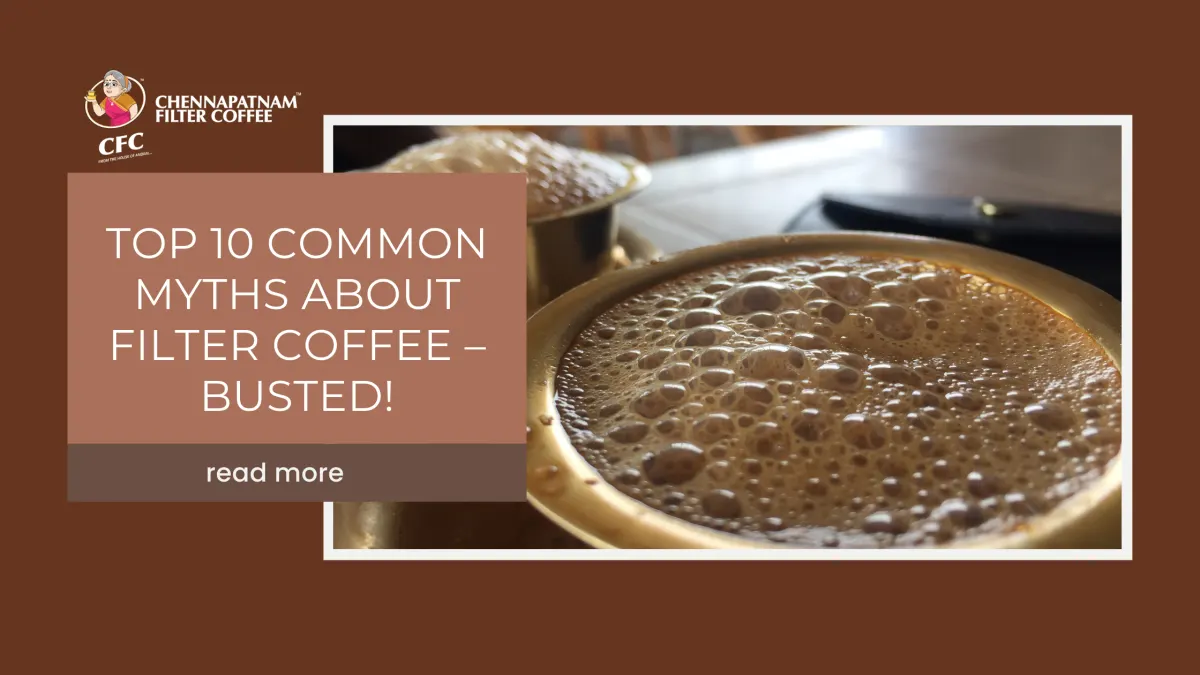
Top 10 Filter Coffee Myths Busted

What Every Coffee Lover Should Know Coffee is not just your beverage anymore—it is an essential verb in your life: waking up, walking, eating, and yes, “coffeeing.” Whether it’s filter, instant, or something more specialized, coffee holds a sentimental place in the hearts of coffee lovers. But while you sip this delicious cup of elixir, have you ever wondered about all the noise surrounding coffee? This myth, that myth—the cacophony can be endless. Well, now is the time to fact-check and shut all those voices in your head once and for all. Let’s debunk some of the most common myths about filter coffee and celebrate this iconic brew! 10 Common Myths About Filter Coffee – Busted! 1. Myth: Filter coffee is too strong for everyday consumption. Reality: The strength of filter coffee depends entirely on how it’s brewed. By adjusting the coffee-to-water ratio, you can enjoy a cup as mild or as strong as you prefer. Unlike espresso, filter coffee offers a more nuanced flavor profile, making it suitable for daily enjoyment. Pro Tip: If you’re new to filter coffee, start with a 1:15 coffee-to-water ratio and experiment from there. Trivia: Did you know the South Indian “kaapi” is traditionally brewed strong to pair with sweet snacks like Mysore pak? 2. Myth: Filter coffee is bad for health. Reality: Filter coffee is rich in antioxidants and can provide several health benefits when consumed in moderation. It boosts focus, improves metabolism, and contains less caffeine per cup than espresso. Fun Fact: The paper filter used in traditional brewing methods helps remove certain oils that can raise cholesterol levels, making it a healthier choice. Trivia: Many South Indian households believe that coffee before sunrise brings good vibes for the day—talk about a spiritual health boost! 3. Myth: Only South Indians know how to make authentic filter coffee. Reality: While South Indian filter coffee has a distinct preparation style and charm, anyone can master the art of brewing a perfect cup with the right technique. All it takes is quality coffee grounds, a filter, and some patience. Try This: Use freshly ground coffee and hot (not boiling) water for the best results. Trivia: In Tamil Nadu, the “dabara set” (the metal cup and saucer used to mix coffee) is as iconic as the coffee itself. 4. Myth: Instant coffee and filter coffee are the same. Reality: Instant coffee is pre-brewed and dried, while filter coffee is brewed fresh using ground coffee beans. The difference in flavor, aroma, and quality is significant. Filter coffee offers a richer, more complex taste. Comparison: Instant coffee is like fast food, while filter coffee is a gourmet meal. Trivia: In Karnataka, a debate over the “right” coffee blend often takes place during festivals like Ugadi. 5. Myth: You need fancy equipment to brew filter coffee. Reality: A traditional stainless-steel filter or a simple pour-over setup is all you need to make great filter coffee. You don’t need expensive gadgets to enjoy an exceptional cup. Budget Tip: Start with a basic filter available in local stores or online. Trivia: The first coffee plantations in India were established in Chikmagalur, making it the birthplace of Indian coffee culture. 6. Myth: Filter coffee is expensive to enjoy regularly. Reality: Brewing filter coffee at home is much more economical than buying coffee from a café. A small investment in quality beans and a filter can save you money in the long run. Breakdown: Compare the cost of a café latte to a home-brewed filter coffee—it’s a no-brainer! Trivia: Many Indian families buy coffee powder in bulk from their trusted neighborhood store, ensuring freshness and affordability. 7. Myth: Milk ruins the authenticity of filter coffee. Reality: Milk is an integral part of traditional filter coffee. While black coffee purists might prefer it without, the creamy texture and balanced flavors of milk-based filter coffee are what make it so beloved. Fun Experiment: Try it both ways to see which you prefer. Trivia: The frothy top layer of filter coffee, created by “pulling” the coffee back and forth between the cup and saucer, is a hallmark of authenticity in South India. 8. Myth: Filter coffee is outdated in today’s espresso-driven world. Reality: Filter coffee is making a global comeback as more people embrace slow brewing and artisanal coffee. Its rich flavor and cultural heritage make it timeless. Trending: Specialty coffee shops now offer filter coffee as a premium option. Trivia: India’s filter coffee has earned a spot on global coffee maps, with international chefs praising its unique preparation style. 9. Myth: You need to use chicory to make filter coffee. Reality: Chicory is optional. While it adds a unique earthy flavor and enhances the coffee’s body, you can brew an equally delightful cup without it. Pro Tip: Experiment with blends to find your perfect cup. Trivia: Adding chicory became popular during World War II when coffee beans were scarce, and the tradition stuck around. 10. Myth: Filter coffee can only be enjoyed hot. Reality: Filter coffee can be just as delightful when served cold. Prepare a strong brew, chill it, and serve over ice for a refreshing summer drink. Bonus: Add a splash of milk or a dash of syrup for a twist. Trivia: In Kerala, some coffee lovers enjoy their cold filter coffee with a hint of coconut milk for a tropical twist. Conclusion Filter coffee is more than just a drink; it’s an experience that brings people together, sparks conversations, and fuels daily life. By debunking these myths, we hope you can fully appreciate the magic of filter coffee without any reservations. So, the next time you brew a cup, sip it with confidence—and maybe share a fact or two with a fellow coffee lover. Have any myths we missed? Share them in the comments below and let’s keep the conversation brewing!